

Introduction
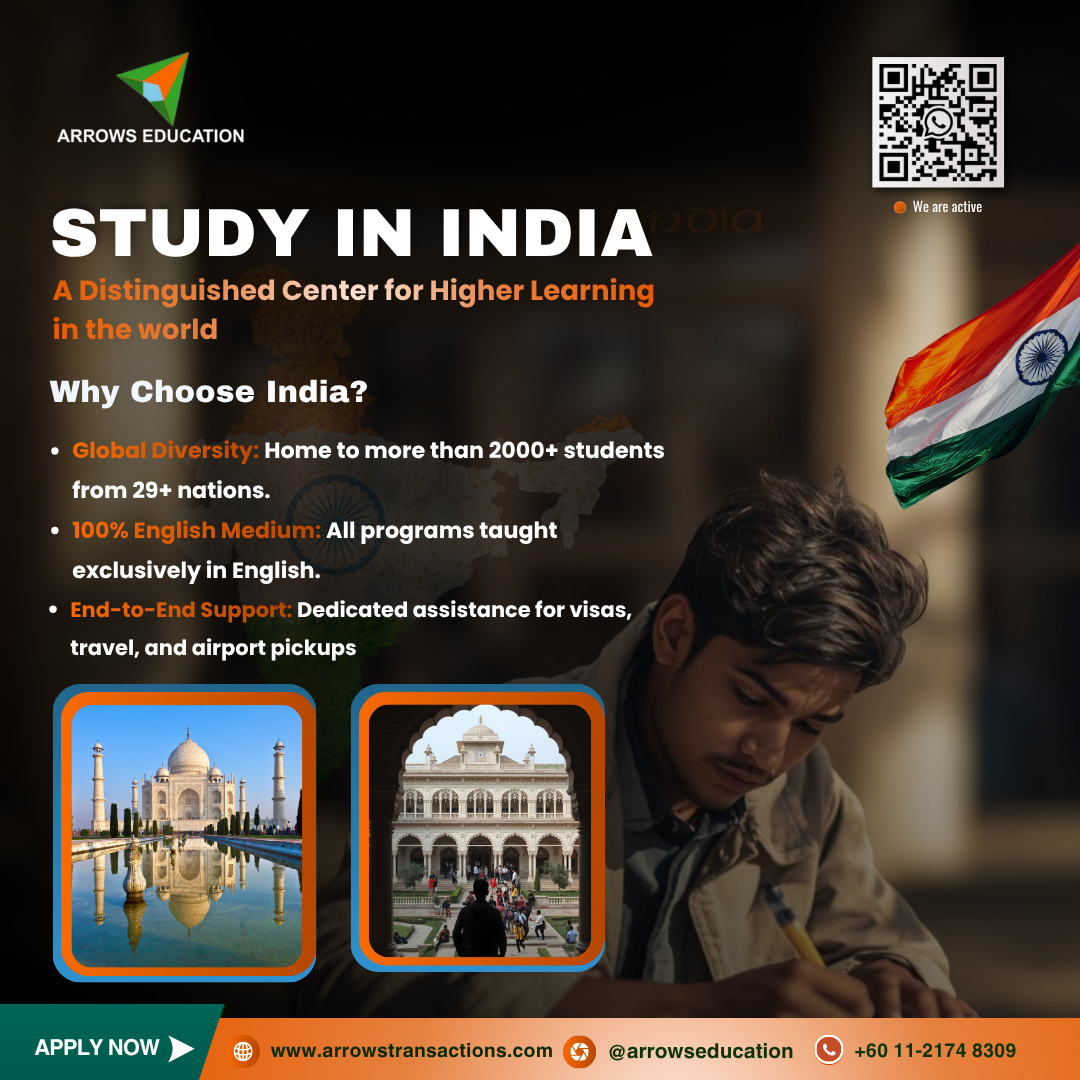
India has become an increasingly attractive destination for international students seeking quality education, cultural diversity, and affordable learning opportunities. With hundreds of institutions and thousands of courses available, students can explore options across technology, business, medicine, arts, humanities, and more. The Government of India’s Study in India platform currently highlights more than 800 institutes and 13,000 courses, making it easier for international students to discover programs and begin the application process.
Beyond academics, studying in India offers a rich cultural experience, a vibrant student lifestyle, and access to one of the world’s largest higher education systems. For students looking for a destination that combines academic growth with personal development, India is a strong choice.
Why Study in India?
One of the biggest advantages of studying in India is the balance between educational quality and affordability. The official Study in India program positions India as a destination that offers world-class institutions, globally recognized degrees, and competitive costs. The University Grants Commission also notes that internationalisation is a key part of higher education reform in India, with guidelines in place to support international students in undergraduate and postgraduate programs.
India also offers a diverse academic environment. Students can choose from engineering, information technology, management, science, social sciences, law, medicine, design, and many other fields. With programs available at public and private institutions, students have the flexibility to select a course that fits their academic goals and budget.
Another major advantage is cultural exposure. India is known for its history, languages, traditions, and regional diversity. For international students, this creates an environment where learning extends beyond the classroom and into everyday life.
How the Study in India Application Process Works
The official Study in India platform provides a structured application pathway for international students. The process begins with registration and the creation of an SII ID, which is used to track the student journey. Students then explore courses, submit applications to multiple institutes, receive offer letters, apply for a visa or student e-visa, and finally complete FRRO registration after arrival in India. The portal states that registration should be completed within 14 days after landing in India.
This system is designed to make the admission process more organized and accessible for international applicants. The portal also serves as a central place for students to find information about eligibility, courses, universities, onboarding, and local support.
Popular Study Options in India
International students can pursue a wide range of academic pathways in India. These include undergraduate degrees, postgraduate programs, PhD and research opportunities, diplomas, and short-term courses. The Study in India portal also promotes access to short-term learning and institution listings, making it easier for students to compare options.
India is especially strong in areas such as engineering, computer science, management, medicine, and emerging interdisciplinary fields. Students who want a practical and globally relevant education will find many institutions with industry-linked programs and research opportunities.
Admission Requirements
Admission requirements vary by institution and program, but most universities will ask for academic transcripts, certificates, a valid passport, and proof of language proficiency where applicable. Some programs may also require a statement of purpose, recommendation letters, interviews, portfolios, or additional entrance criteria. Because requirements differ across institutions, students should always check the official admission page of the university they are applying to.
For international students, it is important to ensure that all documents are complete and submitted on time. Choosing the right course and institution early makes the application process smoother and reduces the risk of delays.
Visa and Immigration Requirements
Foreign nationals entering India must have a valid visa, and the official Indian Visa Online portal lists “Student Visa” as one of the available visa categories. The portal states that a student visa is generally granted for the period of the course or up to five years, and requires proof of admission in an Indian institution.
After arrival, many foreign students who hold visas for more than six months are required to register with the Foreigners Registration Officer within 14 days of first arrival, unless exempted. This step is part of the FRRO/FRO formalities and is an important part of staying compliant while studying in India.
Cost of Studying in India
One of India’s strongest advantages is affordability. The Study in India programme describes the country as a cost-effective education destination, and this is one of the reasons many international students consider it seriously. While tuition and living expenses vary by university, city, and program, India is often seen as a more budget-friendly option compared with many other major international study destinations.
Students should also consider accommodation, food, transport, and personal expenses when planning their budget. Costs can vary significantly depending on whether the student lives in a university hostel, private apartment, or shared accommodation and whether they study in a major city or a smaller one.
Scholarships and Financial Support
International students may be eligible for scholarships, institutional fee waivers, or other financial support depending on the university and the programme. The best approach is to review each institution’s scholarship page carefully and apply early, since funding opportunities can be limited and highly competitive. The Study in India ecosystem is built to help students explore courses and institutes more efficiently, which can also make it easier to compare funding options.
Life as an International Student in India
Student life in India can be exciting, fast-paced, and culturally enriching. Major cities offer a mix of academic communities, public transport, student housing, restaurants, and social activities, while campus life often includes clubs, events, and peer networks. India’s diversity also means students can experience a wide range of languages, foods, and local traditions during their stay.
For many students, studying in India is not only about earning a degree but also about developing independence, adaptability, and a global perspective. These are valuable qualities that can benefit both academic progress and future career opportunities.
Frequently Asked Questions
Can international students study in India in English?
Yes. Many institutions offer programs taught in English, especially at the undergraduate and postgraduate levels. Students should confirm the medium of instruction directly with the university.
How do I apply to study in India?
The official Study in India portal allows students to register, explore courses, submit applications, receive offer letters, and move forward with the visa process using an SII ID.
Do I need to register after arriving in India?
Yes, many foreign students must complete FRRO/FRO registration within 14 days of arrival if their visa is longer than six months, unless they are exempted.
Is studying in India affordable?
Yes. India is widely considered a cost-effective study destination, though actual tuition and living costs depend on the institution, city, and course.
Conclusion
Studying in India offers international students a compelling combination of academic quality, affordability, and cultural richness. With hundreds of institutes, thousands of courses, and a streamlined application pathway through the Study in India platform, students have more opportunities than ever to build a strong academic future in the country.
Whether your goal is to pursue a degree, gain research experience, or immerse yourself in a new culture, India provides a rewarding environment for growth and learning. With proper planning, the right guidance, and a clear application strategy, your study abroad journey in India can be both practical and transformative.
Study in India. Study with purpose.


0 Comments